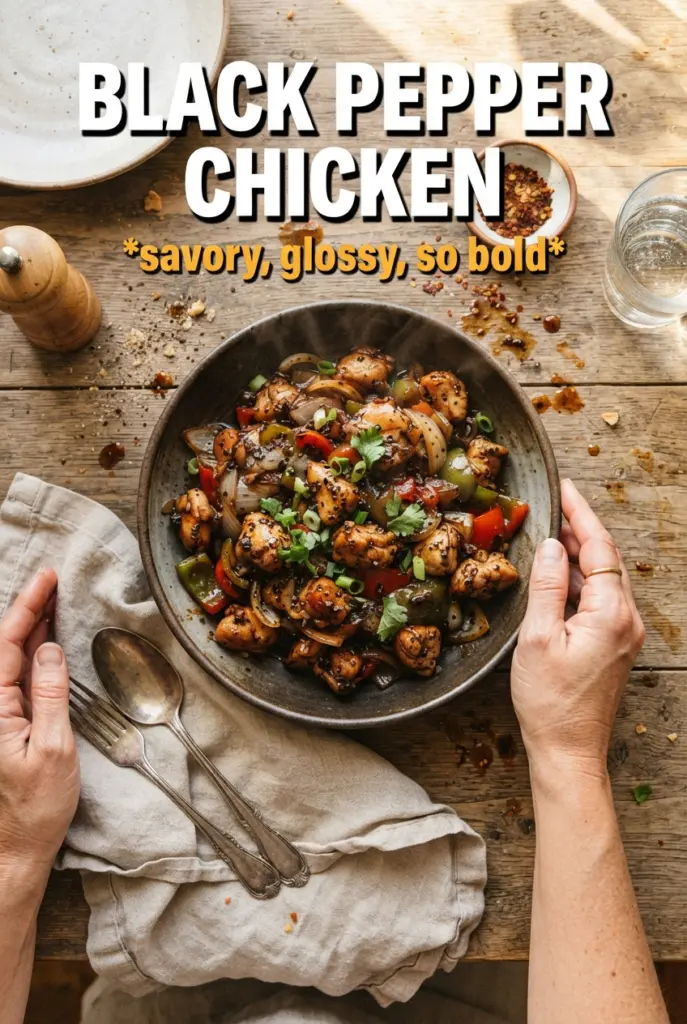
Glossy black pepper chicken hits the pan fast and lands with that sweet-salty, peppery sauce that clings to every piece of chicken and onion. The chicken stays tender, the peppers keep a little bite, and the sauce thickens just enough to coat the rice without turning heavy. It’s the kind of dinner that tastes like it came from a takeout box, except the pepper is brighter and the sauce is cleaner.
What makes this version work is the balance in the sauce and the order of the stir-fry. Dark soy sauce gives it that deep color and rounder savory note, while oyster sauce adds body and a little gloss. The freshly cracked black pepper goes in twice — once in the sauce and again at the end — so it doesn’t disappear into the background. Thin-sliced chicken breast cooks quickly and stays juicy as long as the pan is hot and you don’t crowd it.
Below, I’ve laid out the small details that keep the sauce from turning watery and the chicken from steaming. If you’ve ever had black pepper chicken that tasted flat or came out pale and thin, this version fixes both problems.
The sauce thickened right up and coated the chicken instead of pooling at the bottom. I used the extra black pepper at the end like you suggested, and it tasted just like our favorite takeout spot.
Love the glossy sauce and cracked pepper heat in this black pepper chicken? Save it to Pinterest for the nights when you want fast stir-fry takeout flavor at home.
The Secret to Stir-Fry That Browns Instead of Steams
The biggest mistake with black pepper chicken is crowding the pan. When too much chicken goes in at once, the surface cools down and the meat gives off liquid, which means steaming instead of browning. You want the chicken to hit hot oil in a single layer and sizzle right away. That first quick sear gives the sauce something to cling to later.
The other thing that matters is the sauce balance. Soy sauce gives salt and color, but oyster sauce gives the body that makes this taste like a real takeout-style glaze instead of thin seasoned liquid. The cornstarch slurry should go in right at the end, after the chicken and vegetables are back in the pan. If you add it too early, it can tighten up before the sauce has a chance to coat everything evenly.
- Chicken breast — Slice it thin across the grain so it cooks quickly and stays tender. If you cut thick chunks, the outside overcooks before the center is done.
- Dark soy sauce — This is what gives the sauce its deep color and a richer, slightly caramelized savoriness. Regular soy sauce can work in a pinch, but the dish will look lighter and taste a little less rounded.
- Freshly cracked black pepper — Pre-ground pepper won’t give the same sharp, fragrant heat. Crack it fresh for the sauce and add another pinch at the end so the pepper flavor stays bold.
- Cornstarch slurry — This is what turns the sauce glossy and clingy. Stir it again before adding, since cornstarch sinks fast and an uneven slurry can leave you with thin sauce and a pasty patch in the pan.
What Each Ingredient Is Actually Doing in This Recipe
- Primary ingredient (the star) — Quality matters most. Choose the best you can find.
- Cooking medium (oil, butter, or broth) — This carries flavors and prevents dryness.
- Seasonings (salt, pepper, spices, herbs) — Layer flavors so nothing overpowers. Build depth gradually.
- Aromatics (garlic, onion, herbs) — Cook with fat to bloom flavors. Become the foundation.
- Supporting ingredients — Complement the main ingredient without overpowering it.
- Sauce or liquid (if applicable) — Brings flavors together. Balance richness with acid.
- Acid (lemon, vinegar, wine, or other) — Brightens and prevents flat-tasting results.
- Final finish (garnish, glaze, or sauce) — Prevents one-dimensional taste and adds visual appeal.
How to Build the Sauce So It Stays Glossy
Mix the Sauce Before the Pan Gets Hot
Whisk the soy sauce, oyster sauce, dark soy sauce, brown sugar, black pepper, cornstarch, and water together before you start cooking. Once the wok is hot, the whole stir-fry moves fast, and you won’t have time to measure or stir ingredients separately. The cornstarch needs to be fully dispersed so it thickens the sauce evenly instead of clumping at the edge of the pan.
Give the Chicken Space to Brown
Heat the oil until it shimmers, then cook the chicken in batches if needed. The pieces should sizzle the moment they touch the pan, and the edges should turn opaque with some golden spots before you pull them out. If the pan looks wet, the heat has dropped too much, and the chicken is on its way to steaming rather than searing.
Cook the Vegetables Just Until They Bend
Stir-fry the onion and bell pepper for about three minutes, until the onion turns translucent at the edges and the pepper loses its raw stiffness but still has some crunch. Garlic and ginger only need about a minute; if they sit in the pan longer, they can go bitter. Bring the chicken back once the aromatics smell sharp and fragrant, not browned.
Let the Sauce Tighten at the End
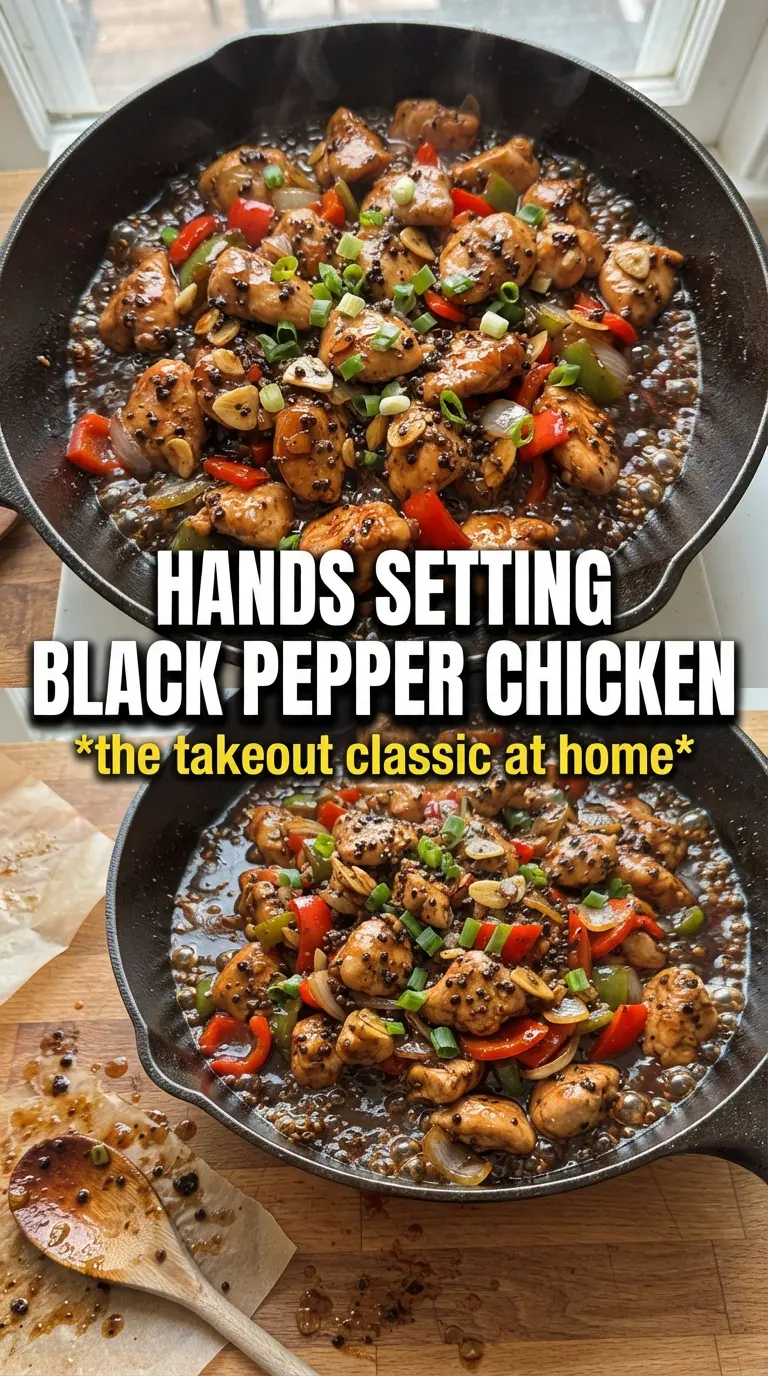
Pour the sauce in and toss constantly for 2 to 3 minutes. At first it will look loose and glossy, then it will shift from thin to lightly syrupy and start coating the chicken instead of sliding off. If it turns too thick before the vegetables are coated, splash in a spoonful of water and keep tossing until it loosens just enough.
What to Change When You Want It a Little Different
Make it with chicken thighs for a richer bite
Boneless thighs work well here and stay juicy even if they sit in the pan a little longer. They bring a deeper, slightly richer flavor than breast meat, though the sauce will cling the same way. Cut them to a similar size so they cook at the same rate as the vegetables.
Make it gluten-free without losing the glossy sauce
Use a gluten-free soy sauce or tamari and check that your oyster sauce is certified gluten-free, since some brands include wheat. The texture stays the same because the cornstarch is still doing the thickening. The flavor will be a little cleaner and less malty, but still full and savory.
Add heat without muddying the pepper flavor
A pinch of red pepper flakes or a small drizzle of chili oil works better than loading up the sauce with hot sauce. Black pepper should stay the main heat, and too much liquid heat can flatten that sharp, fragrant bite. Add the extra spice at the end so you can taste where the pepper stops and the heat starts.
Storage and Reheating
- Refrigerator: Store in an airtight container for up to 4 days. The sauce will thicken more as it sits, and the peppers will soften a bit.
- Freezer: It freezes well for up to 2 months, though the bell peppers will lose some crunch after thawing. Freeze in portioned containers with rice kept separate for the best texture.
- Reheating: Reheat in a skillet over medium-low heat with a splash of water to loosen the sauce. The common mistake is blasting it in a hot pan or microwave until the chicken toughens and the sauce turns sticky instead of glossy.
Questions I Get Asked About This Recipe
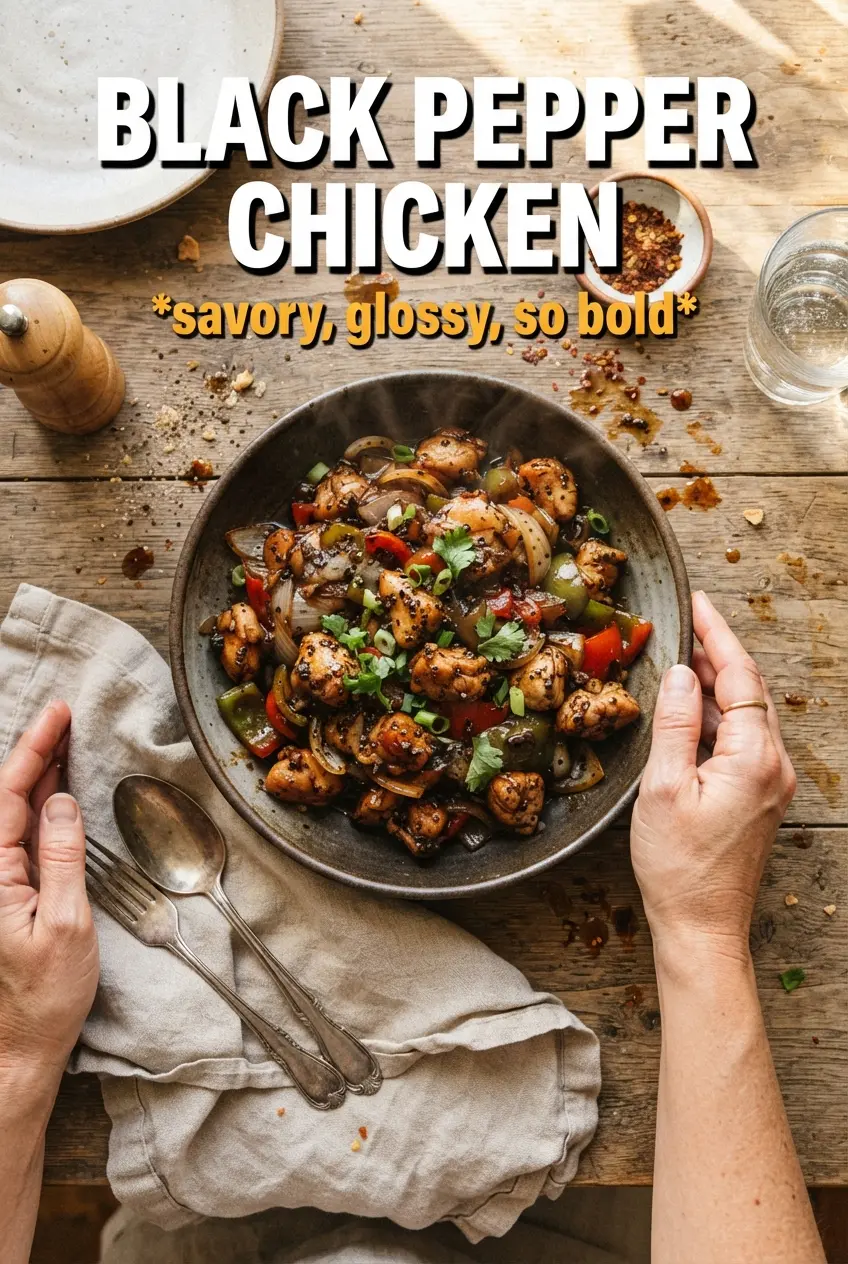
Black Pepper Chicken
Ingredients
Equipment
Method
- Whisk soy sauce, oyster sauce, dark soy sauce, brown sugar, and freshly cracked black pepper together; set aside.
- Whisk cornstarch with water until smooth, then add it to the sauce mixture to prepare for thickening.
- Heat vegetable oil in a wok or large skillet over high heat, then stir-fry sliced chicken in batches until golden, about 3-5 minutes per batch.
- Remove the chicken from the pan and set aside while you cook the vegetables.
- Stir-fry bell pepper and onion for 3 minutes, then add garlic and ginger and cook for 1 minute.
- Return chicken to the pan, pour the sauce over, and toss to coat everything evenly.
- Cook 2-3 minutes, tossing as needed, until the sauce thickens and clings to the chicken and vegetables; season with extra cracked black pepper to taste.
- Serve the black pepper chicken over steamed rice while hot.