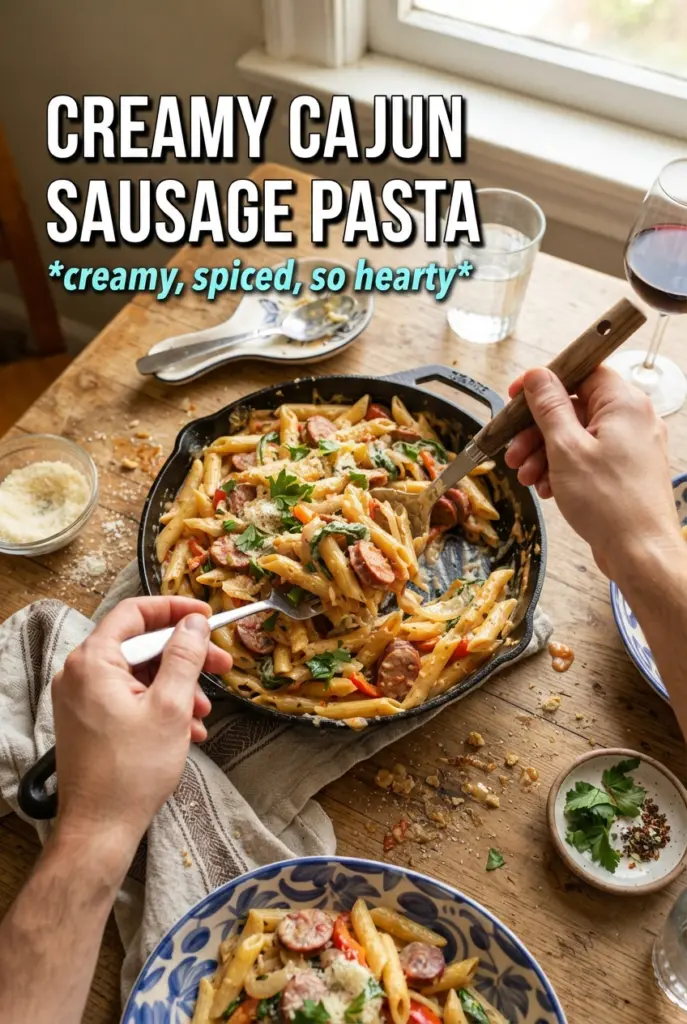
Creamy Cajun sausage pasta lands in that sweet spot between fast weeknight dinner and the kind of skillet meal people hover over with their forks ready. The sauce clings to every piece of penne, the sausage brings smoky depth, and the peppers keep it from feeling heavy. What you end up with is a bowlful of bold, creamy, slightly spicy pasta that tastes like it took more effort than it did.
The part that makes this version work is the order. Browning the sausage first leaves seasoned bits in the pan, and those browned edges flavor the sauce from the start. The broth and cream simmer just long enough to thicken before the pasta goes in, and that reserved pasta water helps the parmesan melt into a sauce that stays silky instead of turning gluey.
Below, I’ve included the small details that matter here: how to keep the cream sauce from breaking, why the pasta water earns its place, and a few practical swaps if you need to work with what’s in your kitchen.
The sauce turned out glossy and thick instead of watery, and the sausage stayed juicy even after I tossed everything together. My husband asked if I could put this on the regular rotation.
Save this creamy Cajun sausage pasta for the nights when you want a smoky, peppery skillet dinner with a sauce that actually coats the pasta.
The Trick to Keeping Cajun Cream Sauce From Going Heavy
This dish lives or dies by how you handle the sauce. Cajun seasoning brings heat and depth, but it can turn muddy if it gets scorched, so it only needs a short cook with the vegetables and garlic. After that, the broth and cream should simmer gently, not boil hard. A hard boil pushes dairy toward a greasy texture and can dull the seasoning instead of rounding it out.
The other thing people miss is the pasta water. Straight cream sauce can get tight once parmesan goes in, especially after it sits for a minute on the stove. A splash of starchy pasta water loosens the sauce just enough to help it cling to the penne and stay glossy.
- Andouille or smoked sausage — This is where the smoky backbone comes from. Andouille gives the strongest Cajun edge, while smoked sausage is a little milder and still works well. Slice it evenly so it browns, not steams.
- Cajun seasoning — Use a blend you like the taste of on its own, because it carries the whole pan. Some mixes are saltier than others, so taste before adding extra salt at the end.
- Heavy cream — This is what keeps the sauce stable and rich. Half-and-half will work in a pinch, but the sauce will be thinner and a little less plush.
- Parmesan — Freshly grated parmesan melts into the sauce far better than the pre-shredded kind. The bagged stuff can leave the sauce grainy because of the anti-caking agents.
- Pasta water — Don’t skip the reserve step. That starch helps the sauce cling and smooth out after the cheese goes in, which is especially important with penne.
What Each Ingredient Is Actually Doing in This Recipe
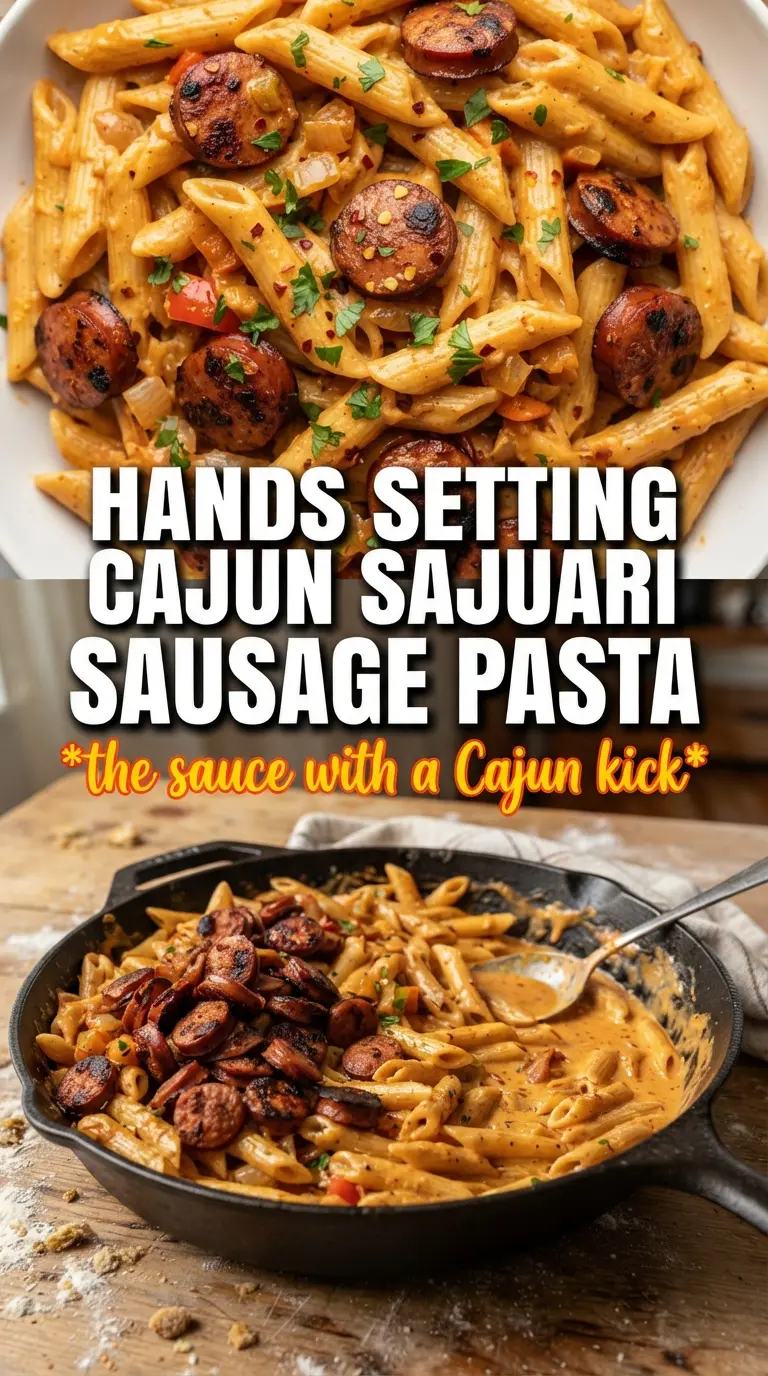
- Primary ingredient (the star) — Quality matters most. Choose the best you can find.
- Cooking medium (oil, butter, or broth) — This carries flavors and prevents dryness.
- Seasonings (salt, pepper, spices, herbs) — Layer flavors so nothing overpowers. Build depth gradually.
- Aromatics (garlic, onion, herbs) — Cook with fat to bloom flavors. Become the foundation.
- Supporting ingredients — Complement the main ingredient without overpowering it.
- Sauce or liquid (if applicable) — Brings flavors together. Balance richness with acid.
- Acid (lemon, vinegar, wine, or other) — Brightens and prevents flat-tasting results.
- Final finish (garnish, glaze, or sauce) — Prevents one-dimensional taste and adds visual appeal.
Building the Skillet in the Right Order
Brown the Sausage First
Start with the butter and sliced sausage in a large skillet over medium-high heat. You want deep golden edges and a little fond stuck to the pan, not pale rounds sitting in their own liquid. Once the sausage is browned, move it to a plate. If the pan looks dry, that’s fine; the next vegetables will pick up the flavor left behind.
Soften the Vegetables Before the Garlic Goes In
Add the onion and bell peppers and cook them until they soften and pick up a little color around the edges, about 4 to 5 minutes. The goal is sweet, softened vegetables with some bite left, not limp peppers that disappear into the sauce. Stir in the garlic and Cajun seasoning near the end so the garlic stays fragrant and the seasoning blooms instead of burning.
Let the Cream Simmer, Don’t Rush It
Pour in the broth and cream and bring the mixture to a gentle simmer. Tiny bubbles around the edge are what you want. Give it about 5 minutes to thicken before the pasta goes in. If it’s boiling hard, pull the heat back; that’s how cream starts to separate and the sauce loses its smooth finish.
Finish With Pasta, Cheese, and the Sausage
Add the cooked pasta and a splash of reserved pasta water, then stir in the parmesan until it melts into a glossy sauce. Return the sausage to the skillet and toss until every piece is coated. If the sauce looks too tight, another spoonful of pasta water will loosen it. Taste at the end and salt only if it needs it, since Cajun seasoning and parmesan already bring plenty of salt.
Ways to Adjust It Without Losing What Makes It Good
Make It Dairy-Free
Use a rich unsweetened oat or coconut cooking cream and skip the parmesan, or stir in a dairy-free parmesan-style cheese if you like that flavor. The sauce won’t be quite as rounded as the original, but it will still coat the pasta well if you keep the simmer gentle and use the pasta water to help it along.
Make It Gluten-Free
Swap in your favorite gluten-free penne and cook it just to al dente so it can finish in the sauce without falling apart. Gluten-free pasta can be a little thirstier, so hold back a bit of the pasta water and add it gradually until the sauce loosens to the right consistency.
Use Chicken Instead of Sausage
Cubed boneless chicken thighs work best here because they stay juicy and pick up the Cajun seasoning nicely. Brown them well before you build the sauce, then pull them out just like the sausage so the pan still develops that savory base. You’ll lose some smoke, but you’ll keep the same creamy skillet feel.
Turn Up the Heat or Keep It Mild
For more heat, add a pinch of cayenne or use a hotter Cajun blend. For a milder pan, reduce the Cajun seasoning a little and lean on smoked sausage for flavor instead of spice. The cream sauce will still taste balanced either way as long as you season at the end.
Storage and Reheating
- Refrigerator: Store leftovers in an airtight container for up to 4 days. The sauce will thicken as it chills, and the pasta will soak up some of the cream.
- Freezer: It freezes, but cream sauces can separate a little after thawing. If you do freeze it, cool it completely, portion it tightly, and thaw overnight in the refrigerator.
- Reheating: Reheat gently on the stove over low heat with a splash of broth or milk. The common mistake is blasting it in the microwave, which can make the sauce oily and the pasta tough before the center is warm.
Questions I Get Asked About This Recipe
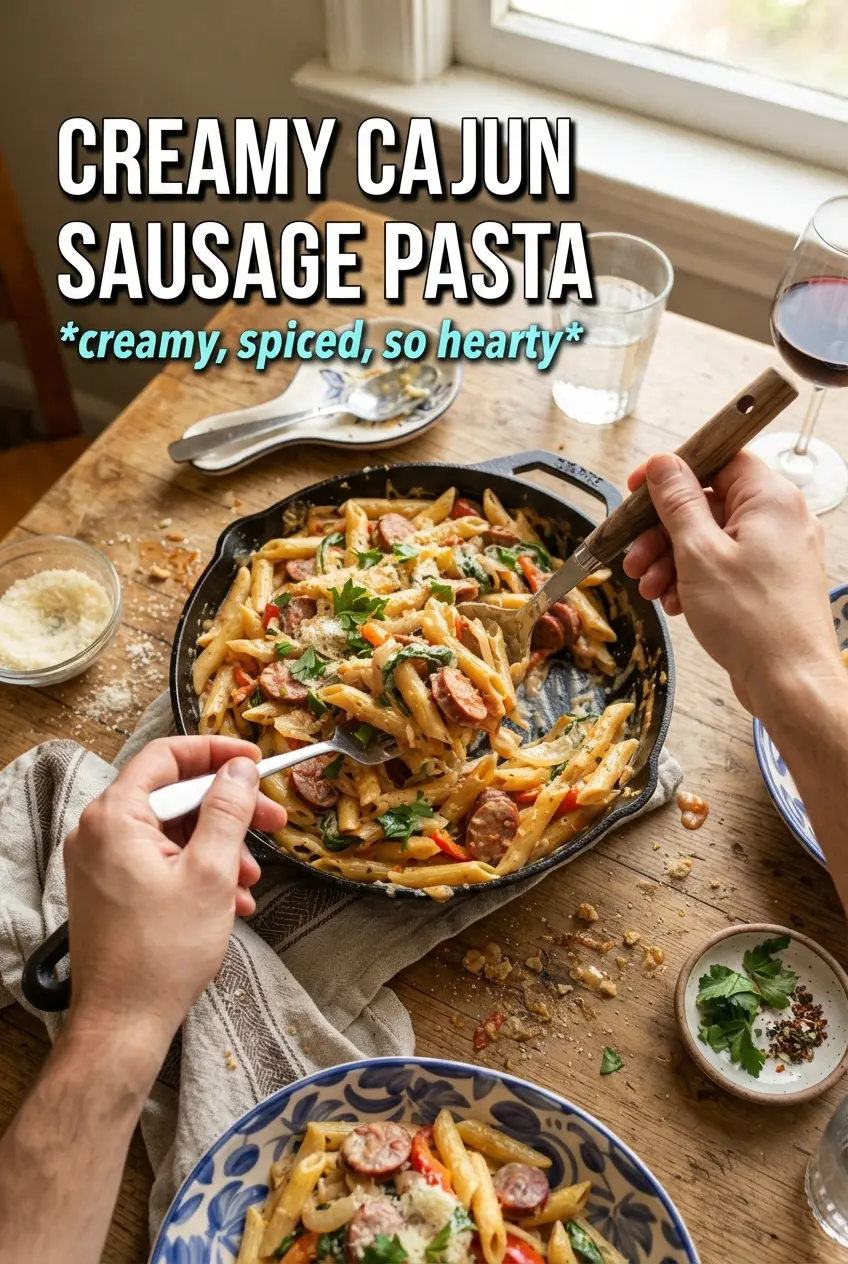
Creamy Cajun Sausage Pasta
Ingredients
Equipment
Method
- Bring a large pot of salted water to a boil and cook penne until al dente, about 8–10 minutes, stirring occasionally until tender with a firm center. Reserve 1/2 cup pasta water right before draining, then drain the pasta.
- Heat butter in a large skillet over medium-high heat until melted and foaming, about 1 minute, then add the sliced andouille (or smoked sausage). Brown the sausage, stirring occasionally, until browned on the edges, about 4–6 minutes, then remove and set aside.
- In the same skillet, sauté onion and both bell peppers over medium heat for 4–5 minutes, stirring until softened but not mushy, until they look glossy and fragrant.
- Add minced garlic and Cajun seasoning and cook for 2 minutes over medium heat, stirring constantly until aromatic and darker in color.
- Pour in chicken broth and heavy cream, then simmer over medium heat for 5 minutes until slightly thickened and coats the back of a spoon.
- Add the cooked penne to the skillet along with reserved pasta water, then toss over medium heat until the pasta is evenly coated and looks saucy, about 1–2 minutes.
- Stir in parmesan until melted and smooth, with the sauce turning creamy and cohesive, about 30–60 seconds.
- Return the browned sausage to the skillet, toss to coat, and season with salt to taste until everything is evenly distributed and flavorful.
- Top the pasta with sliced green onions and chopped parsley, finishing with a fresh green pop for serving.